Dr. Paul Ostlie, Retired Dentist
Dr. Paul Ostlie has never been interested in history simply as a collection of names, dates, and events. For him, history is something tangible. It can be held in your hands, studied from every angle, and discovered in the most unexpected places.
Ostlie describes himself as a historian, although his education did not follow a traditional path. His fascination with the past began early, surrounded by museums, archaeology, and the search for historic artifacts. While attending dental school, he helped pay his expenses by working as a tour guide at Minnesota’s Fort Snelling, where his duties included giving tours and firing historic cannons.
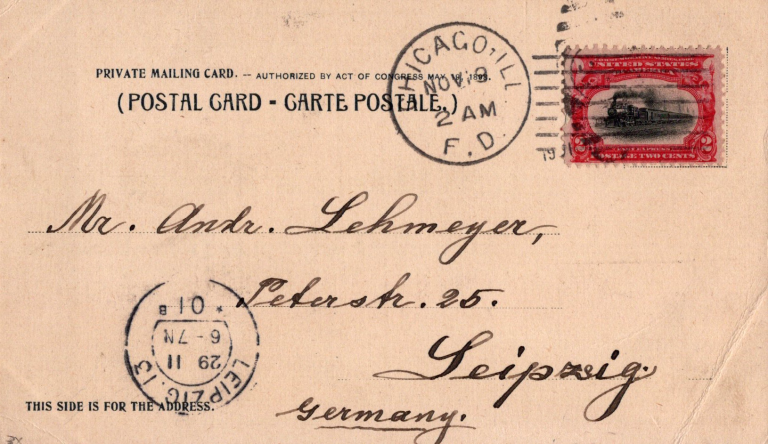
He eventually built a successful medical career and practiced dentistry for 25 years, but history remained a constant presence in his life. On the side, he attended antique shows, hunted for artifacts, and bought and sold historic material. When he purchased his first computer shortly after the year 2000, he discovered eBay and began experimenting with selling old photographs and postcards.
What started as a sideline gradually became a second career.
After retiring from dentistry, Ostlie entered the antiques and postcard business full time. Today, he works with museums, serves on museum boards, volunteers with historical organizations, sells online, and travels to postcard shows around the country.
His interests have also evolved. While many collectors focus on postcards from their hometowns, schools, or familiar landmarks, Ostlie is drawn to images that reveal something unexpected.
“I like collecting oddball images,” he explains. “Sometimes things that shouldn’t be on postcards, but are.”
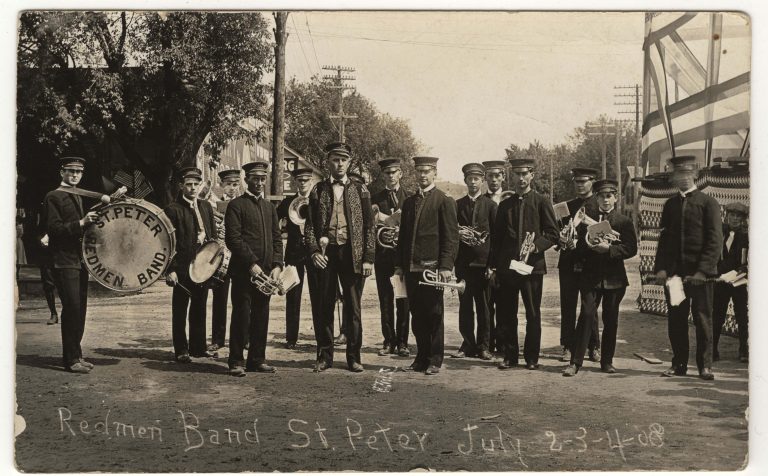
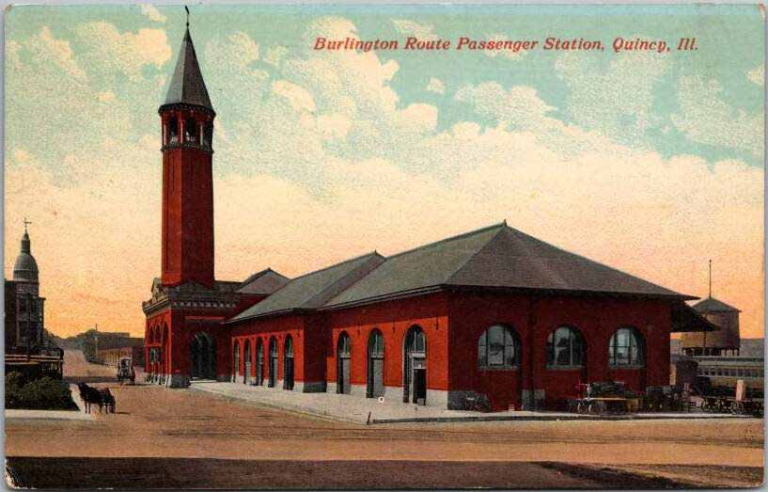
These can range from festive gatherings and forgotten sporting events to ghost towns, Halloween celebrations, and even unsettling moments from the past. Each card is a small historical record, capturing a person, place, or event that might otherwise have disappeared.
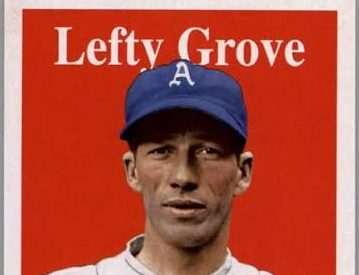
Among the remarkable pieces Ostlie has handled is an autographed real-photo postcard of baseball legend Lefty Grove. Another favorite depicts the Rochester Indians, a Minnesota minor league baseball team that existed for only a single season in 1910. What makes the image especially unusual is the photographer’s signature: Cy Young. During the height of his playing career, the legendary pitcher also took occasional team photographs.
The mystery surrounding the postcard is part of its appeal. Why was Cy Young photographing a short-lived minor league team in Minnesota? Ostlie may never know the complete answer, but the card preserves the question.
His collection extends well beyond postcards. Ostlie has assembled an impressive selection of early Halloween ephemera, including pre-World War I German die-cuts, tissue-eyed decorations, candy containers, miniature pumpkins, black cats, ice cream molds, and elaborate party favors from the early 1900s.
These objects were once disposable decorations created for parties and celebrations. More than a century later, they offer a vivid glimpse into how people entertained, decorated, and celebrated.
For Ostlie, that is the real value of collecting. The objects are not simply antiques. They are surviving witnesses.
A postcard, photograph, candy container, or holiday decoration can reveal details that never made it into a history book. Together, they create a more personal record of the past, filled with forgotten people, unusual events, and stories waiting to be rediscovered.
After a lifetime spent moving between museums, medicine, archaeology, antiques, and postcards, Ostlie continues to search for the pieces that make him stop and look twice.
They are the unusual snapshots of history, the ones that were never expected to survive, that interest him most.